HOW IT FLIES
Autorotation does the lifting
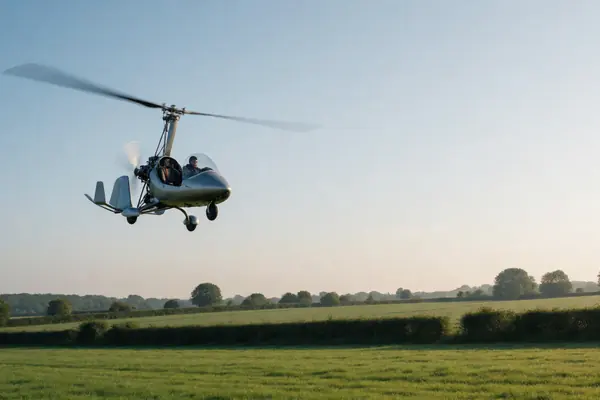
As the gyroplane moves forward, air flows up through a rotor tilted slightly back. That airflow keeps the rotor spinning and makes lift, as long as it keeps moving forward or descending.
Compare rotorcraft gyrotalk
Start
HOW GYROPLANES FLY
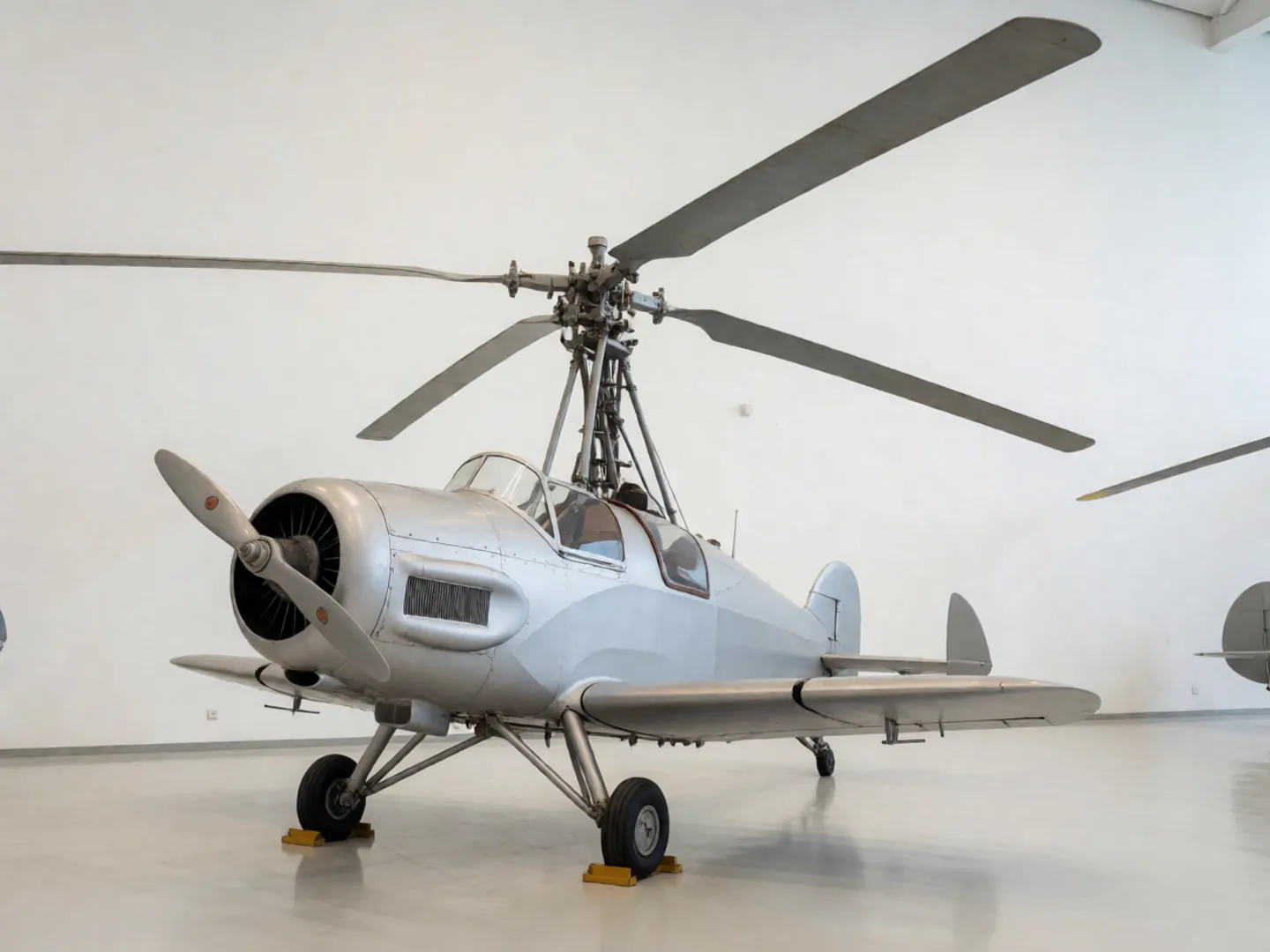
A gyroplane looks like a small helicopter, but its rotor turns more like a windmill.
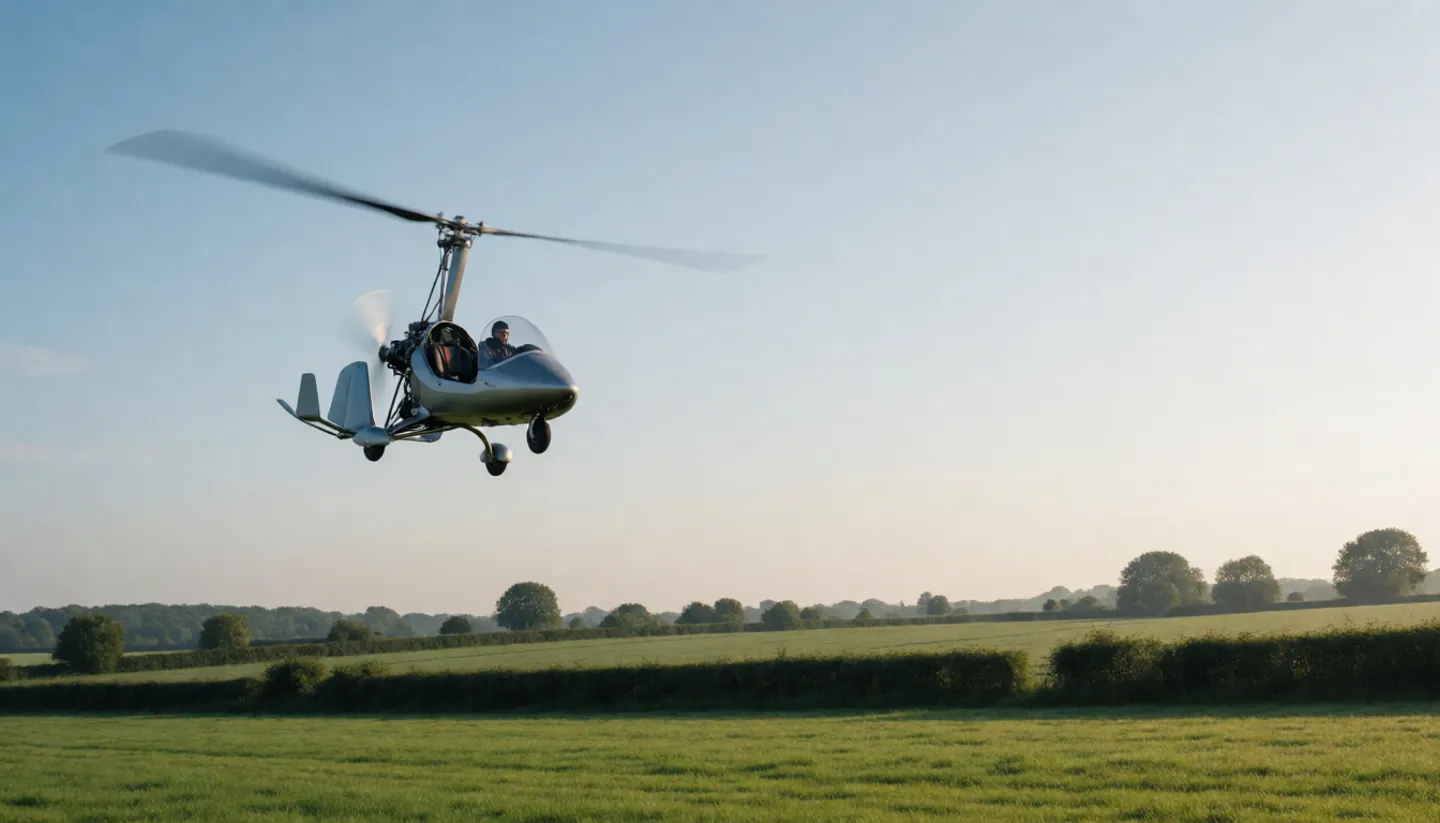
An ordinary engine and propeller push it forward. The rotor above is not driven by the engine in flight: the air flowing up through it keeps it turning and makes the lift. An independent informational guide.
1923first autogyro flight
Compare rotorcraftKeep in mind
THE SHORT ANSWER
A gyroplane splits the jobs a helicopter rotor does.
The propeller pushes; the free-spinning rotor lifts.
HOW IT FLIES
As the gyroplane moves forward, air flows up through a rotor tilted slightly back. That airflow keeps the rotor spinning and makes lift, as long as it keeps moving forward or descending.
Compare rotorcraftIN NATURE
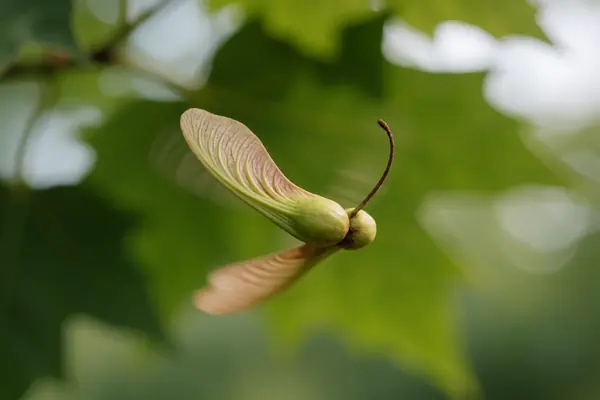
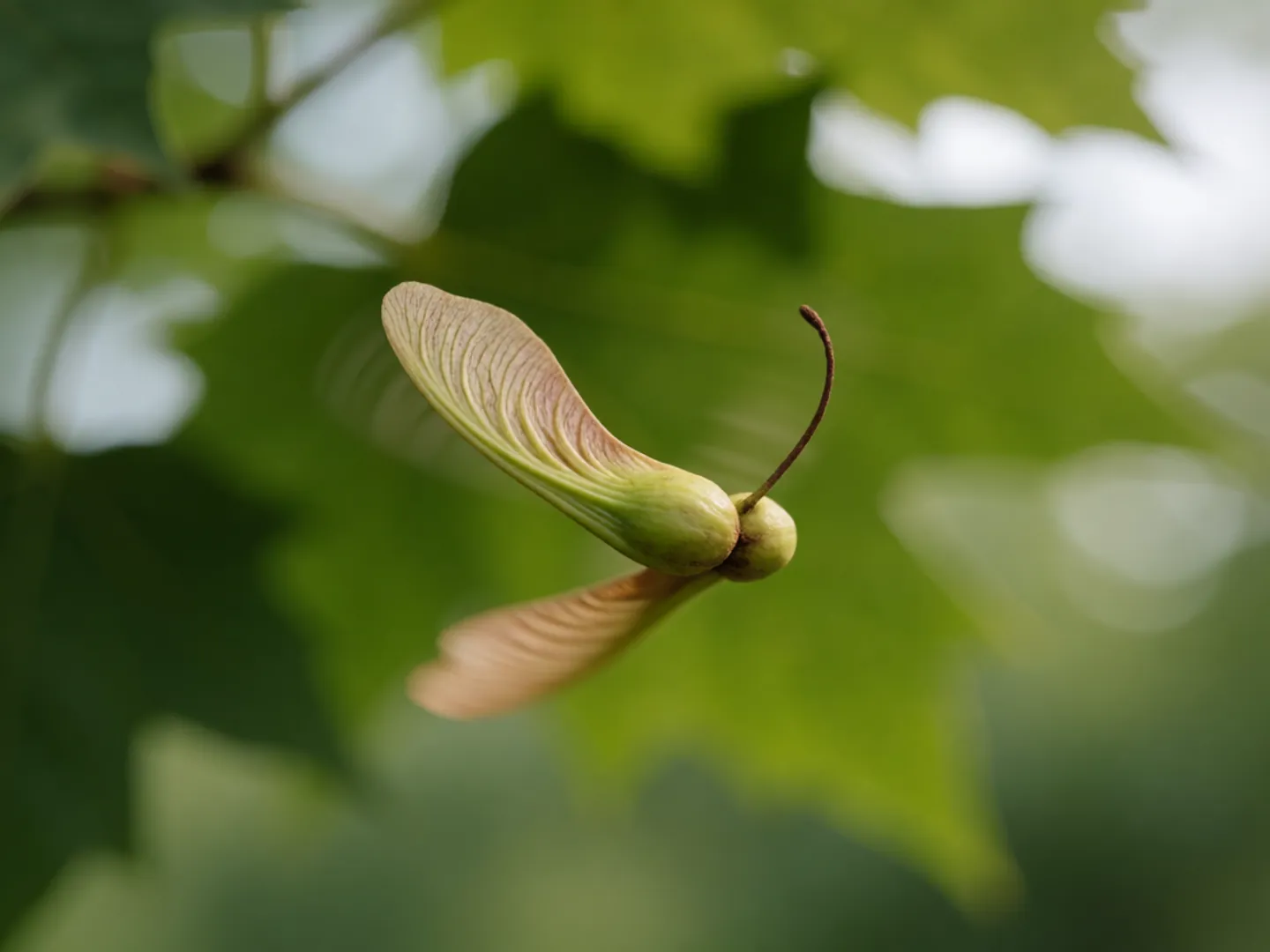
The same effect, autorotation, is what makes maple and sycamore seeds spin and fall gently instead of dropping straight down.
Why it mattersHISTORY
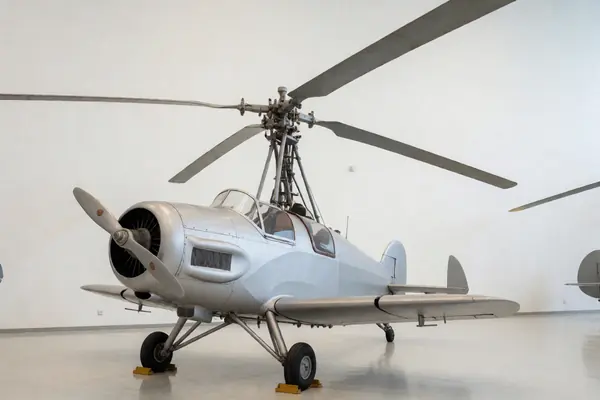
A Spanish engineer flew the first successful autogyro in January 1923. In 1928 one flew across the English Channel.
See the numbersROTORCRAFT SIDE BY SIDE
Pick a spinning-wing flyer. The bar shows how much engine power goes into its rotor.
A simplified comparison for general interest, not flying instruction.
TWO NUMBERS WORTH KNOWING
One date from the start of the story,
one figure on why helicopters took over.
1923
First autogyro flight, 9 January 1923
The Smithsonian says the first autogyro flight came on 9 January 1923. Early machines needed a rope, a team of people or even a horse to start the rotor spinning before take-off.
FIRST FLIGHT · SMITHSONIAN
≈ ½ the payload
Early autogyro payload compared with helicopters
Early autogyros had only about half the payload capacity of helicopters, and needed more power than a helicopter of similar weight at higher speeds. Their strength is mechanical simplicity.
PAYLOAD · EMBRY-RIDDLE
Embry-Riddle's textbook notes that the UK Civil Aviation Authority grounded all gyroplanes in 1991 after a series of fatal accidents, a decision that also prompted new research into gyroplane stability and safety.
GYROPLANES IN THE UK
Gyroplanes have their own licence in the UK. This is what the Civil Aviation Authority says, for general information only.
Step 1
The CAA issues a Private Pilot Licence for gyroplanes, the PPL(G). Full requirements are in CAA Standards Document 44.
Step 2
The PPL(G) can only be used on UK-registered gyroplanes inside UK airspace, unless another country's aviation authority agrees otherwise.
Step 3
To use radio equipment a pilot must hold a Flight Radio Telephony Operator's Licence with a valid language proficiency level of 4, 5 or 6.
Step 4
A gyroplane licence cannot be converted to a UK Part-FCL licence, because there is currently no Part-FCL equivalent.
WHY IT MATTERS
Because the rotor keeps lifting at low speed, gyroplanes can fly slowly and use short take-off and landing runs. The catch is that they cannot hover, and by the late 1940s helicopters had made the autogyro obsolete in mainstream aviation.
The same physics still matters in helicopters: an autorotation landing, letting the air spin the rotor during a controlled descent, remains a basic safety technique if the engine fails. Recent gyroplane development has focused mainly on sport aviation.
Questions
Yes. Autogyro, autogiro and gyroplane all describe aircraft with an unpowered, free-spinning rotor for lift and an engine-driven propeller for thrust. 'Gyroplane' is the term regulators use.
Airflow. As the gyroplane moves forward, air passes up through the slightly back-tilted rotor and turns it, a process called autorotation. The rotor keeps turning as long as there is forward motion or descent.
No. Without an engine-driven rotor it needs forward motion to keep the rotor turning. It can, however, fly slowly and use short runways.
The rotor has to be spun up before take-off. Early pilots taxied around or pulled a rope wound round the shaft; by 1930 a mechanical pre-rotator had been developed, and the idea is still used today.
Yes. The UK Civil Aviation Authority issues a Private Pilot Licence for gyroplanes, the PPL(G), with requirements set out in its Standards Document 44. Commercial flying needs a separate CPL(G), with a minimum age of 18.
Destination
Updated
ABOUT THIS NAME
gyrotalk.com is part of the DoodleSale portfolio. It isn't in an auction right now, but you can ask about leasing it.